Need pest control in Chanhassen?
Describe your pest or wildlife problem and request an estimate from a local provider in our network. There is no obligation to hire anyone.
No obligationRequest your estimate today
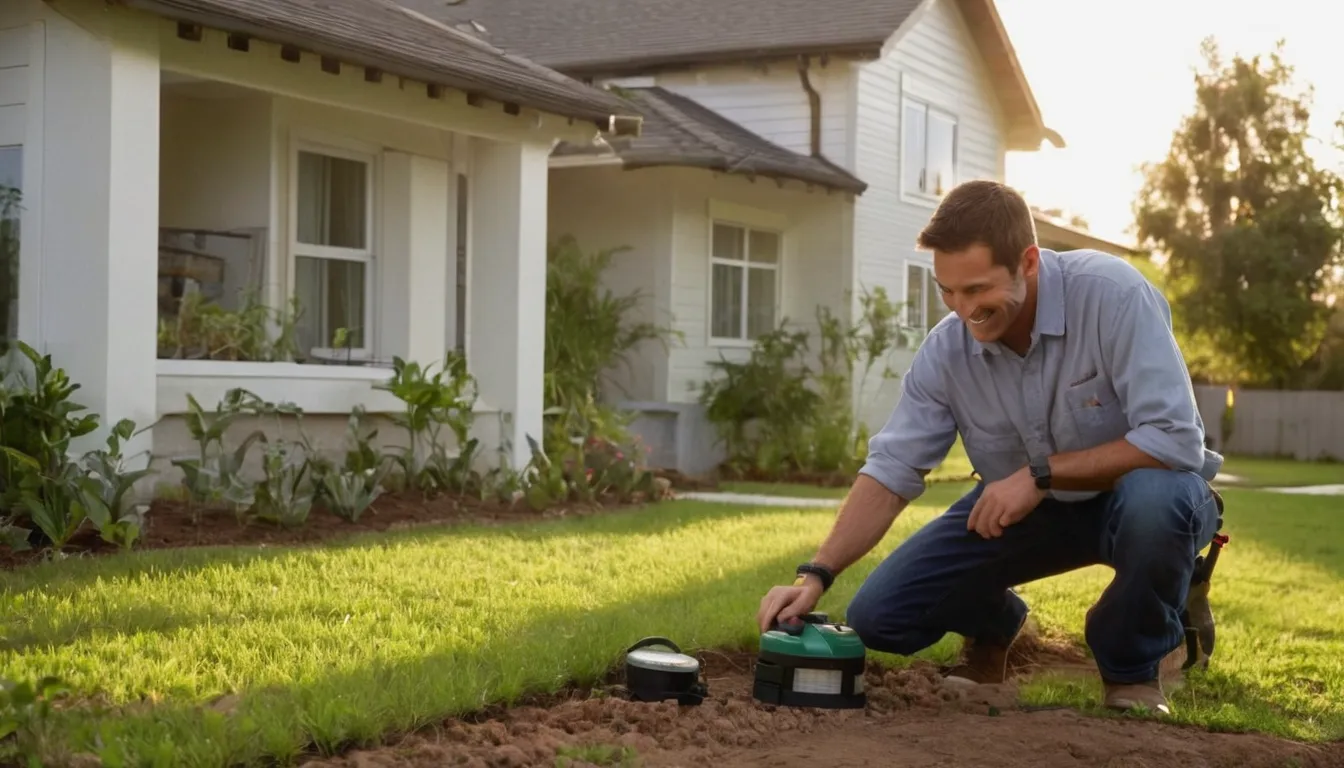
Pests rarely stay in one spot. A few ants on the counter can mean a trail from a crack in the foundation. A mouse in the pantry can mean more behind the walls. Residential pest control is the work of finding the source, treating it, and closing the gaps that let pests in.
Ourlaughing Pest Control is a referral service. We do not do the treatment. We match your request with an independent provider in our network who serves the Chanhassen area. You share what you are seeing, and the provider explains the plan and the price. There is no obligation to hire anyone. This page shows what to expect, what you can safely do yourself, and when to hand the job over.
Maybe it was ants on the counter, a spider in the tub, or droppings behind the stove. Take a breath. Most household pests can be handled. Searching "exterminator near me" is a fine first move. A few quick checks will help you describe the problem and get a more useful estimate.
Grab a flashlight. Write down where you saw the pest, when, and how many. Snap a photo if you can. A provider can pick the right treatment much faster with that note in hand.
A little prep goes a long way. Here is what a handy homeowner can do today:
Skip the bug bombs. They can scatter roaches and ants deeper into the walls, and they make the problem harder to read.
You can seal, wipe, stack and check. That is real prevention, and it matters. But some jobs need professional products, tools and training.
Hand it off when you see any of these:
Larger animals like raccoons or squirrels in the attic are a separate job. That falls under wildlife removal, which has its own page.
Pests multiply. A few roaches turn into a colony. A pair of mice turns into a nest. Waiting often means a bigger treatment and a bigger bill.
The seasons here push pests around. Cold winters with deep frost drive mice, spiders and insects into warm basements. Hot, humid summers boost ants, roaches and crickets. Spring flooding and heavy storms can flush pests out of soil and into window wells and sump areas. Older frame houses and bungalows have plenty of small gaps for them to use.
A typical visit has a few parts. The provider inspects inside and out, finds the pest and its entry points, and picks a treatment. That might be targeted gel baits, dust in wall voids, or a barrier spray around the foundation.
Many providers also point out what you can fix, like loose door sweeps or a damp crawl space. Ask for the plan in writing, including which areas get treated.
These are the most common calls. Treatment often focuses on the outside edge of the house, where they come in.
Roaches hide in kitchens, baths and basements. Baits and gels are common. Heavy cases may need several visits.
Light rodent problems often start with traps and sealing gaps. Larger infestations need a provider who can find every entry point.
Bed bug treatment takes preparation and usually more than one visit. The provider will give you a prep list for laundry, bedding and clutter. Follow it closely.
It is smart to ask. Before treatment, ask the provider which products they plan to use and how they apply them. Providers follow the product label, and you can ask to see it.
Tell them about kids, pets, fish tanks and anyone with breathing trouble. Ask how long you should stay out of a room and when it is safe to wipe surfaces again. Do not wipe treated baseboards unless told to.
A one-time treatment suits a single, clear problem, like a wasp nest on the porch or a short ant trail. An ongoing plan makes more sense if pests return each season or your house has many entry points.
Plans usually mean visits every few months. Ask what each visit includes and what happens if pests show up between visits. Compare the price of a plan against repeat one-time calls.
Treatment clears what is inside. Sealing keeps the next batch out. This is the maintenance that pays off.
Walk the perimeter of your home twice a year. Look for:
Seal small gaps with caulk or steel wool. Keep gutters clear. Check the sump pit lid. Store firewood a few feet from the house and off the ground.
You are hiring someone to work inside your home, so ask a few plain questions:
A clear answer is a good sign. Vague answers deserve a second quote.
You play a part after the provider leaves. Follow the prep and aftercare notes closely. Keep food sealed and surfaces clean. Do not spray store products on top of treated areas unless told to. Note any new sightings and share them at the next visit.
If pests are still showing up, Request a callback to check provider availability, or send a request through the form.
The provider checks inside and outside your home to find the pest, its path in, and where it hides.
Baits, dusts or sprays are placed where pests live and travel, based on the pest found.
Providers often point out gaps, leaks and clutter that you can fix to help keep pests out.
Many plans include return visits to check results and treat again if pests are still active.
Prices vary by pest, home size and how bad the problem is. These are typical U.S. ranges only. Always get a written quote that lists what is included before you agree to any work.
| Service | Typical range | Notes |
|---|---|---|
| One-time general treatment | $100 – $400 | Common for ants, spiders or crickets inside and out |
| Ongoing plan (per visit) | $40 – $150 | Visits are often every two to three months |
| Ant treatment | $100 – $350 | Large or repeat colonies cost more |
| Roach treatment | $150 – $500 | Heavy cases may need several visits |
| Bed bug treatment | $300 – $2,000+ | Depends on rooms treated and the method used |
| Follow-up visit | $50 – $150 | Some plans include these; ask before you book |
Tell us what you saw, where you saw it, and how long it has been going on.
Your request goes to an independent provider in our network near you.
The provider shares a plan and a price. Ask questions and compare.
After treatment, follow the aftercare notes and seal the gaps that let pests in.
We explain what you can safely do yourself and when a professional is the smarter choice for the job.
Requests go to independent providers who serve homes across the Chanhassen area.
Request an estimate, compare it, and decide at your own pace.
Fixing the problem is step one. Keeping it away is the habit we encourage.
Describe your pest or wildlife problem and request an estimate from a local provider in our network. There is no obligation to hire anyone.
No obligationSend a request through the form and describe the pest. Ourlaughing Pest Control matches you with an independent provider in our network who serves your area. You review the estimate and decide with no obligation.
Often you can handle light ant trails or a stray spider by cleaning, sealing gaps and using baits. Roaches, bed bugs, wall nests and repeat problems usually need a professional with stronger tools and training.
It depends on the pest. Ants may fade within days, while roaches and bed bugs can take several weeks and more than one visit. Ask the provider for a timeline and follow the aftercare notes.
Describe your pest or wildlife problem and request an estimate from a local provider in our network. There is no obligation to hire anyone.
No obligation