Need rodent and wildlife removal in Chanhassen?
Describe your pest or wildlife problem and request an estimate from a local provider in our network. There is no obligation to hire anyone.
No obligationRequest an estimate today
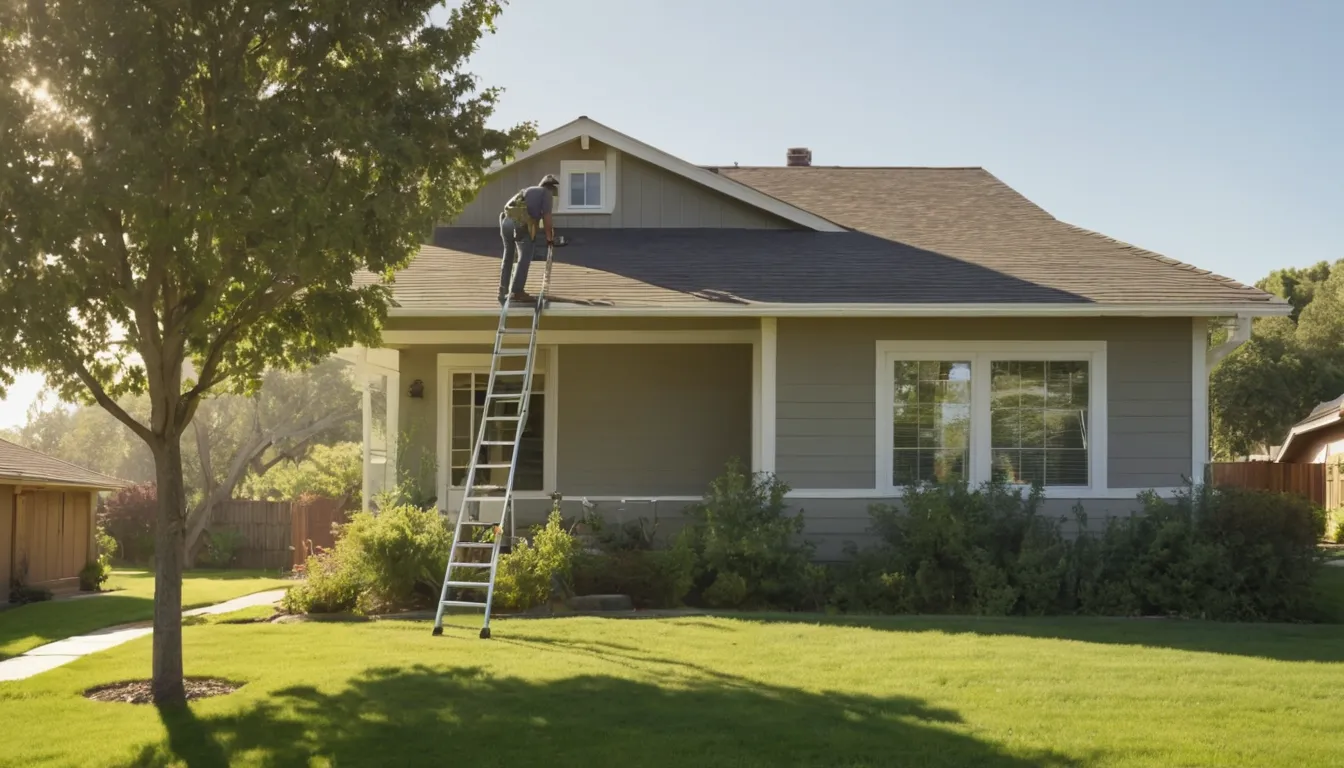
Mice in the pantry, squirrels in the attic, a raccoon on the roof. These problems start small and spread fast. Animals chew wiring, soil insulation and open new holes as they go. Ourlaughing Pest Control is a referral service that matches your request with an independent provider in our network who handles rodent and wildlife removal in the Chanhassen area.
We do not do the work ourselves. You tell us what you are hearing or seeing, and we point you to a local provider who can inspect, remove the animals and seal the entry points. This page also shows what you can safely do yourself and where a pro should step in. Request an estimate with no obligation.
Scratching at dusk. Thumping over the bedroom. A musty smell near a vent. Something has moved in, and you want it gone. Typing "exterminator near me" is a fine first move, but a few quick steps now will help whoever shows up.
Don't plug any holes yet. Sealing an entry with an animal inside can trap it, and a trapped animal often chews deeper into your house.
Mice and rats gnaw wiring, pipes and insulation. Squirrels and raccoons tear up vents and soffits. In spring and summer there may be babies in the nest, and removing only the adult leaves a bigger problem behind.
Cold winters with deep frost push animals toward warm attics, crawl spaces and basements. Many providers can respond quickly, so ask about availability early.
A handy homeowner can do plenty. Set snap traps for a few mice in the garage. Wipe down shelves. Stack firewood away from the wall. Check the weatherstripping on doors.
Hand the job to a pro when animals are in the attic or walls, when you see signs of rats, or when the animal is a raccoon, squirrel, skunk or bat. Also bring in a pro if anything bites, or if the problem keeps returning after you trap. Ladders, roof edges and live animals are a poor mix.
Don't sweep or vacuum dry droppings. Mist them with disinfectant, wear gloves and a snug mask, and bag them. Heavy attic contamination is a job for a provider.
The provider checks the roofline, vents, foundation and attic. They look for entry points and clues about how many animals are inside.
Methods depend on the animal. Common choices are live traps and one-way doors that let animals leave but not return. Rodent jobs may use snap traps or bait stations placed with care.
Removal without sealing is only half a job. Providers close gaps with metal flashing, hardware cloth and steel mesh, because many animals chew through foam and plastic.
Some providers also remove droppings and replace soiled insulation. Ask whether that is part of the quote or priced separately.
Rules on trapping, relocating and handling wildlife vary by state and town. Bats and some birds are protected, and certain seasons limit when exclusion work is allowed. A solid provider explains what is permitted and why. Ask how they treat the animals and what happens to any they capture.
Ask a few plain questions before you agree to anything.
Get the answers in a written quote. Providers in our network are independent, so terms differ. Compare at least two.
Removal ends the visit. Sealing keeps the problem from returning. Make sure every gap the provider found is closed with a material animals can't chew, then check that work again after the first hard storm.
Twice a year, take a slow lap around the house with a flashlight.
Spring flooding and sump pump pits can push rodents indoors. Hail can crack vent covers and loosen shingles, which opens a door for squirrels and bats. After a big storm, look at the roofline and the foundation before the next cold snap.
The provider checks the roofline, vents, attic and foundation to find how animals are getting in.
Live traps, one-way doors or rodent control, matched to the animal and local rules.
Gaps get closed with metal and mesh so the animals cannot return.
Many providers clear droppings and nesting, then explain upkeep to keep animals out.
Prices depend on the animal, how hard the entry points are to reach and how much cleanup is needed. These are typical U.S. ranges only. Always ask the provider for a written quote.
| Item | Typical range | Notes |
|---|---|---|
| Inspection | $75 – $300 | Often credited if you hire the provider for the job |
| Mouse or rat removal | $200 – $600 | Multiple visits are common |
| Squirrel or raccoon removal | $250 – $800 | Higher with babies or hard roof access |
| Sealing entry points | $300 – $1,500 | Depends on number and height of gaps |
| Bat exclusion | $500 – $3,000 | Seasonal rules can affect timing |
| Attic cleanup and insulation | $500 – $5,000 | Varies with size and contamination |
Tell us what you hear or see, where in the house it is and how long it has gone on.
We pass your request to an independent provider in our network who handles your kind of animal.
Check what the estimate covers, including sealing, cleanup and any follow-up visits.
After removal, walk the perimeter each season and fix new gaps before animals find them.
Your request goes to a provider near you, not a call center.
We tell you what DIY can handle and when a pro should take over.
Request an estimate, compare it and decide on your own terms.
Good providers seal the entry points and explain upkeep so animals stay out.
Describe your pest or wildlife problem and request an estimate from a local provider in our network. There is no obligation to hire anyone.
No obligationNot until you know the animal is out. Sealing it in can trap it and cause more damage or odor. A provider can set up a one-way door first, then close the opening for good.
Usually not. A poisoned mouse can die inside a wall, and the smell can last for weeks. Poison also puts pets and wildlife at risk. Traps or a provider's plan are safer for your home.
Some policies may cover sudden damage, but many exclude wear or ongoing infestations. Check your policy and ask your agent. Providers can often help document damage for a claim, so keep photos and the written quote.
Describe your pest or wildlife problem and request an estimate from a local provider in our network. There is no obligation to hire anyone.
No obligation